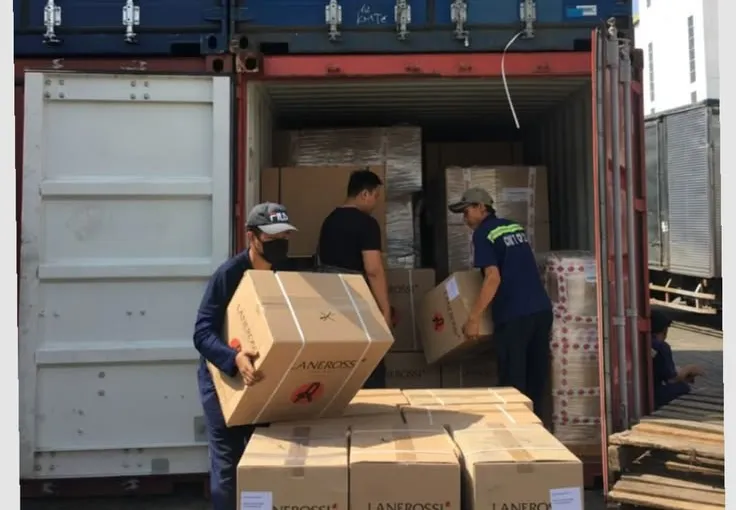
Why repackaging is the missing link in your China supply chain
Most people picture importing from China as a straight line: you order, the factory ships, the goods arrive. In reality, what arrives from the factory is almost never what you want to put in front of your customers.
That’s where repackaging comes in — and it’s the step most small and mid-sized importers skip, to their cost.
What repackaging actually is
Repackaging is the work that happens between the factory gate and the shipping container. It covers everything you need to turn bulk manufacturer output into inventory you can actually sell:
- Relabeling — replacing factory labels with your own brand labels, or adding barcodes, SKU stickers, and compliance marks.
- Reboxing — moving products from plain factory cartons into your branded retail packaging.
- Kitting and bundling — combining several products into one sellable unit, like a gift set.
- Unit separation — breaking down master cartons into smaller, sellable quantities.
- Protective repacking — re-cushioning fragile goods so they survive international transit.
Why it matters more than you’d think
The factory’s job is manufacturing, not merchandising. Chinese manufacturers optimize for producing at scale and shipping cheaply — their default packaging decisions serve them, not your customers.
We regularly see products arrive at our warehouse with:
- No labels at all, or labels only in Chinese
- Cartons that are too heavy or too large for your fulfillment center
- Mixed colors and sizes thrown into one box
- Packaging that’s been crushed before it even left the factory district
Each of those problems costs you money on the destination side — returns, repacking labor at western rates, storage delays, and bad first impressions for your customers.
Why repackage in China, not at home
The single biggest reason is labor cost. Repackaging in China typically costs a fraction of what the same work costs in Europe or North America. The second reason is logistics: repacking before shipping lets you consolidate loose items into efficient, standard cartons that maximize container utilization.
Finally, there’s the quality-control angle. When repackaging happens in China, someone is opening every carton before it ships. Problems get caught at the source — while the supplier is still reachable and before you’ve paid freight on goods you’ll have to return.
The bottom line
Repackaging isn’t a luxury service for big brands. For most importers, it’s the difference between receiving a warehouse full of problems and receiving inventory that’s ready to sell on day one. If your China supply chain doesn’t include a repackaging step, you’re paying for it somewhere else — usually at your own loading dock.