Air vs sea vs rail: choosing the right freight from China
Every importer eventually faces the same choice: air, sea, or rail. Each mode has a sweet spot, and picking wrong is expensive — either in freight cost or in missed sales. Here’s how the three compare for shipments out of China.
Sea freight: the workhorse
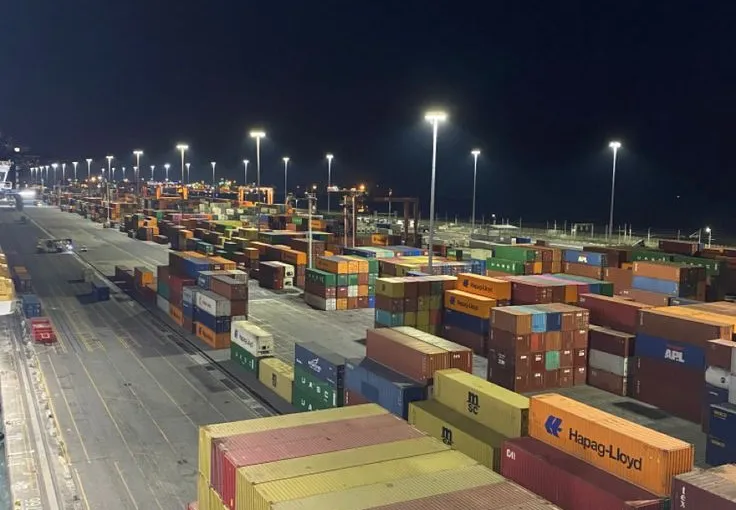
Sea freight moves more goods out of China than everything else combined. It’s the cheapest mode by a wide margin, at roughly $1,500–$3,000 for a 20-foot container to Europe or North America (rates fluctuate, so treat those as ballpark figures).
The trade-off is time: 25–40 days port-to-port, plus handling at both ends. Sea freight is the default choice when you’re restocking on a schedule and your cost per unit matters.
Sea wins when: your shipment is heavy or bulky, your margins are tight, and you can plan 6–8 weeks ahead.
Air freight: the emergency lane
Air freight is 5–10 times the cost of sea per kilogram, but it’s fast — typically 3–8 days door to door. For urgent restocks, seasonal launches, and small high-value goods, speed is worth paying for.
There’s a pricing subtlety worth knowing: air freight is charged by chargeable weight, which is the greater of actual weight and volumetric weight (length × width × height, divided by 6000 for most carriers). Light but bulky products can cost far more to ship by air than their actual weight suggests — one reason good repacking (compressing packaging to reduce volume) cuts air freight bills directly.
Air wins when: you need goods this week, your product is light and dense, and the value of being first to market exceeds the freight premium.
Rail freight: the middle path
Rail has grown enormously since the first regular China–Europe freight services launched, and it now fills the gap between sea and air nicely: roughly twice the cost of sea, but half to two-thirds the transit time — around 15–20 days to Europe.
Rail is a particularly good fit for the growing number of importers moving goods into Eastern and Central Europe, where the rail terminals cut out the long trucking leg that sea freight requires from a coastal port. It’s less relevant for North America and other regions without connected rail corridors.
Rail wins when: you’re shipping to Europe, you want faster than sea without air prices, and your goods don’t need temperature control or extremely gentle handling.
The honest answer: combine them
Experienced importers rarely commit to one mode. A common pattern we handle for customers:
- Base inventory by sea — your steady restocks, planned well in advance.
- Top-ups by air — the 10–20% of stock that sells faster than forecast.
- Seasonal pushes by rail or air — timed to land just before a promotion starts.
Consolidation changes the math too: when many small orders combine into one shipment, the per-unit freight difference between modes shrinks, and air becomes viable for a larger share of shipments.
How to decide
Start with three questions: How much does a kilogram of your product cost to buy versus to ship? How much does a week of stockout cost you in lost sales? And how predictable is your demand? The answers usually pick the mode for you — and if they don’t, that’s exactly the kind of calculation your repackaging and forwarding partner should be doing on your behalf.